






















































































Posts Tagged ‘regenerative medicine’

Printing New Cartilage: Breakthroughs in Cartilage Repair Techniques

Wednesday, January 9th, 2013 by Steven Sampson D.O.

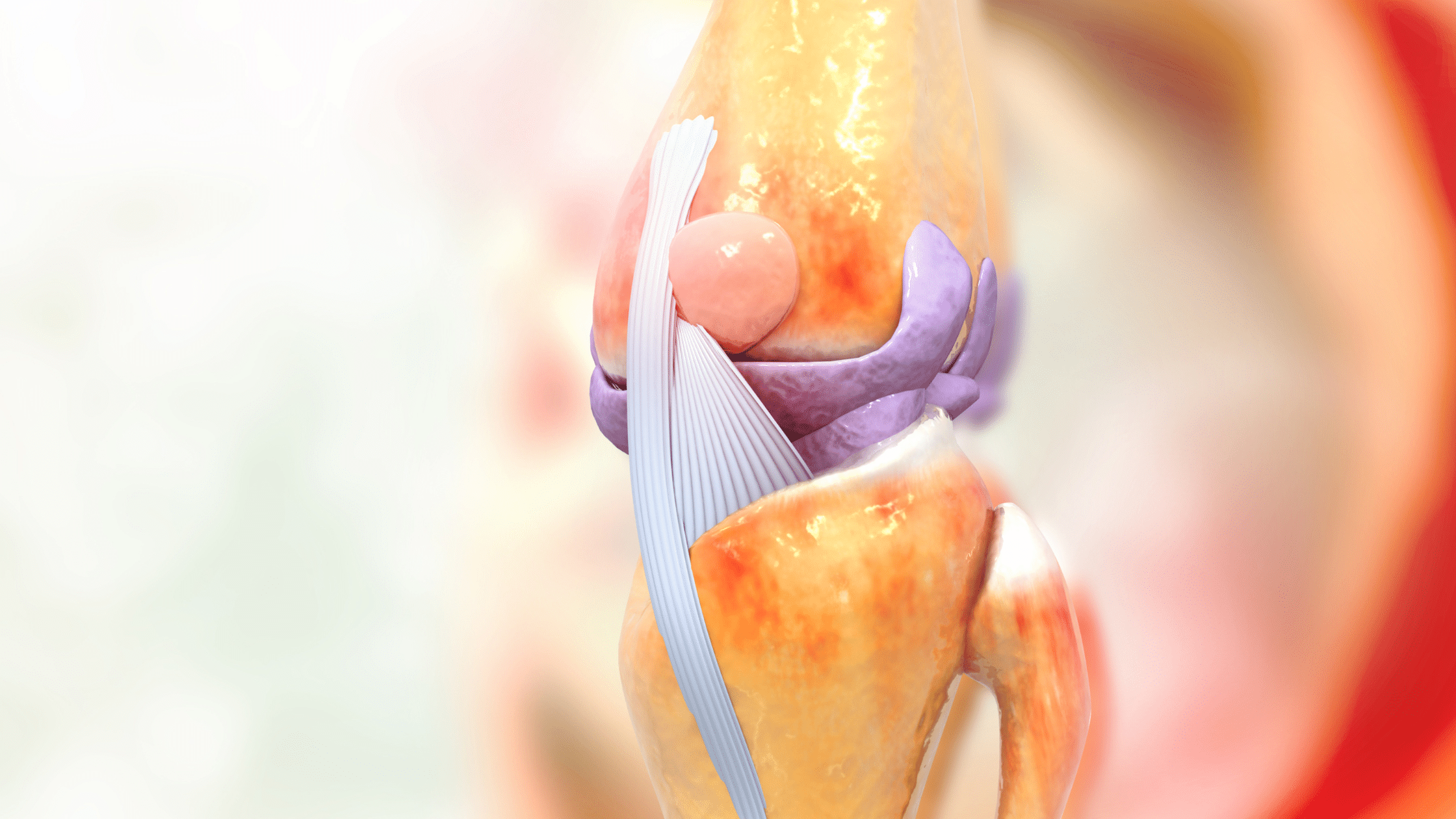
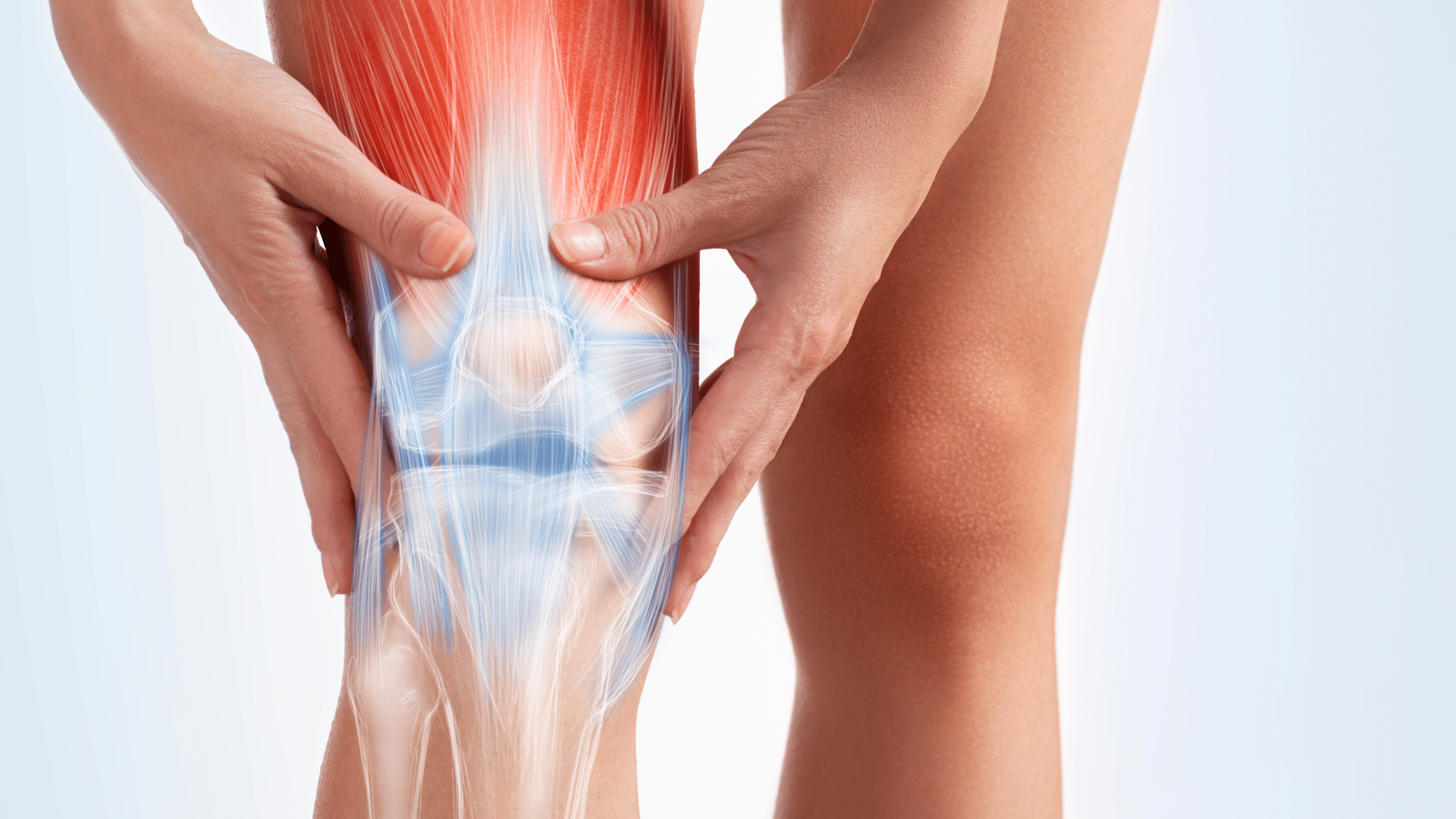
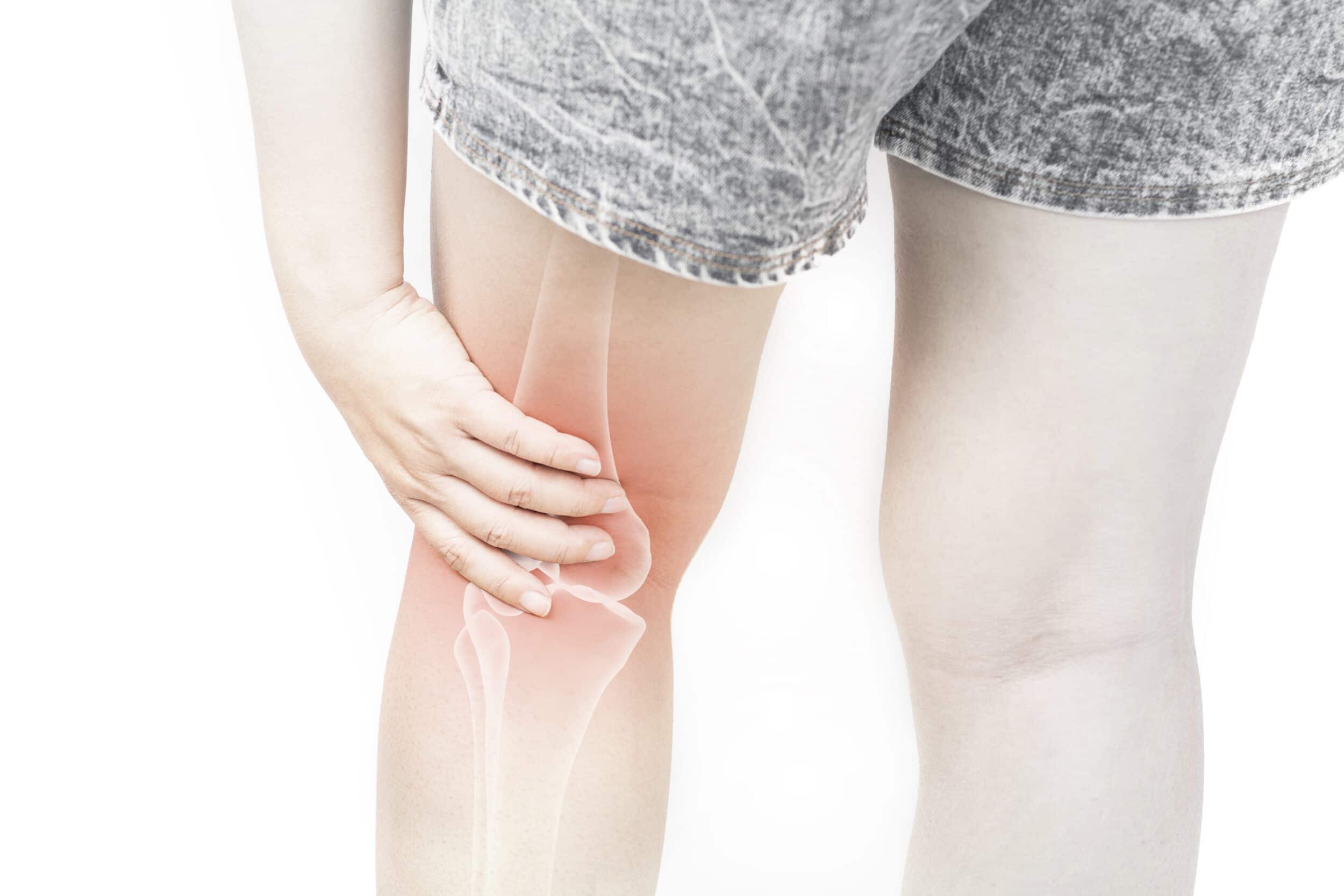
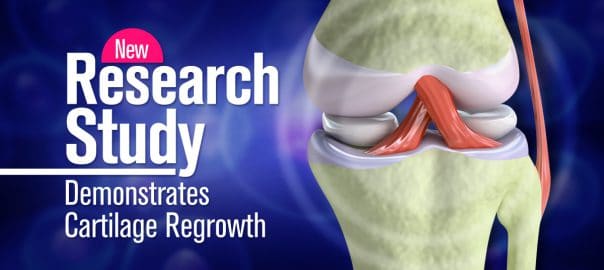
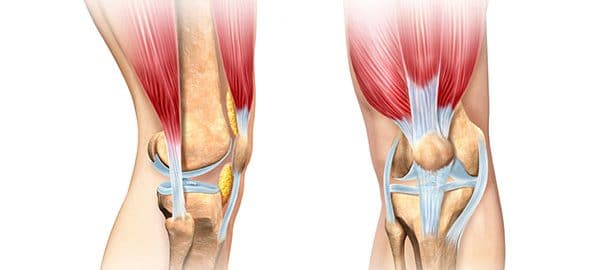
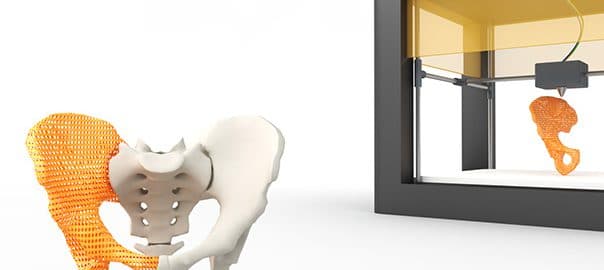
cartilage 300x284 Printing New Cartilage: Breakthroughs in Cartilage Repair TechniquesIn a major Regenerative Medicine breakthrough, researchers at Wake Forest University have developed a machine that prints 3D cartilage tissue. Cartilage is a tough, fibrous tissue that plays an important structural and supportive role in the body. It lends structure and shape to the nose and ear, for instance, as well as cushions joints such as the knee. Repairing cartilage is at times difficult because cartilage doesn’t have a ready blood supply like muscles and bones; it’s harder for your body to make more. Recovering from injury to or surgery on cartilage is often long and sometimes painful.
Now, however, making new cartilage may be as simple as printing a word document.

Using a combination of electrospinning and inkjet printing, researchers produced viable cartilage tissue in vitro. Electrospinning is a technique often utilized to make synthetic material; it involves using a charge to draw fibers out of a liquid. Inkjet printing has already been tapped for its ability to deposit fine layers of material to create a 3D structure. Alone, neither of these techniques could make viable cartilaginous tissue. By combining both of these techniques in one machine, however, the researchers were able to create useable pieces of cartilage.

Though this breakthrough shows promise for those needing cartilage repair or replacement, more studies are needed to refine the technique, as the Wake Forest team used cartilage from a rabbit’s ear to create the new tissue. Human tissue
replication is needed in order for new tissue to be used in any cartilage repair techniques. Fortunately, there are many other new Regenerative Medicine techniques that can help repair cartilage.

The physicians at the Orthohealing Center, based in Los Angeles, California, are actively engaged in studying new cartilage repair techniques. They currently utilize a number of therapies, such as platelet-rich plasma and bone marrow concentrate therapies, to help speed the repair and regeneration of cartilage.

avatar

Steven Sampson D.O.

Founder of the Orthohealing Center, Dr. Sampson is a recognized expert on orthobiologics and regenerative medicine. He lectures internationally and spearheads OHC’s clinical research efforts. Dr. Sampson is a Clinical Instructor of Medicine at The David Geffen School of Medicine at UCLA, and is a Clinical Assistant Professor of Physical Medicine & Rehabilitation, Western University of Health Sciences.

Famed Orthopedic Surgeon James Andrews Endorses Bone Marrow Stem Cell Injections in ESPN the Magazine, “The Doctor is in.”

Tuesday, December 4th, 2012 by Steven Sampson D.O.

ESPN the Magazine1 Famed Orthopedic Surgeon James Andrews Endorses Bone Marrow Stem Cell Injections in ESPN the Magazine, “The Doctor is in.”Renowned Orthopedic surgeon James Andrews from Birmingham Alabama was featured in ESPN the Magazine regarding his usage of Bone marrow derived stem cells. The article explains that this particular form of cell therapy is from the same patient and is re-injected same day. Dr Andrews feels that Regenerative Medicine will become common practice to repair worn out joints. Dr Andrews has treated perhaps more elite professional athletes than  any other current physician in the united states. His endorsement of Biologic medicine goes a long way. However of note he emphasizes that we are neophytes and that clinical trials are needed to better understand this therapy.

At the Orthohealing Center we are performing Bone Marrow Concentrate (BMC) & PRP Platelet Rich Plasma Injections. This same day injection is offering hope to fill the large void between conservative treatments that often fail and surgery that may restrict sport and function.

avatar

Steven Sampson D.O.

Founder of the Orthohealing Center, Dr. Sampson is a recognized expert on orthobiologics and regenerative medicine. He lectures internationally and spearheads OHC’s clinical research efforts. Dr. Sampson is a Clinical Instructor of Medicine at The David Geffen School of Medicine at UCLA, and is a Clinical Assistant Professor of Physical Medicine & Rehabilitation, Western University of Health Sciences.

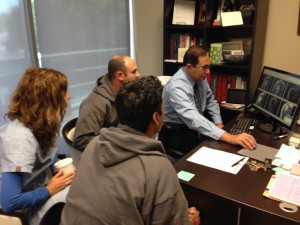
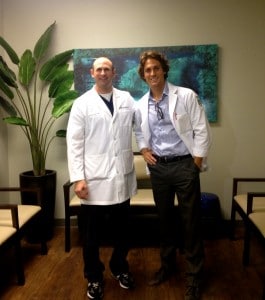
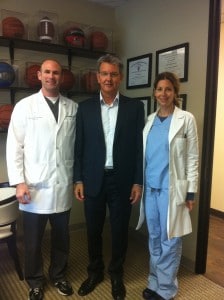
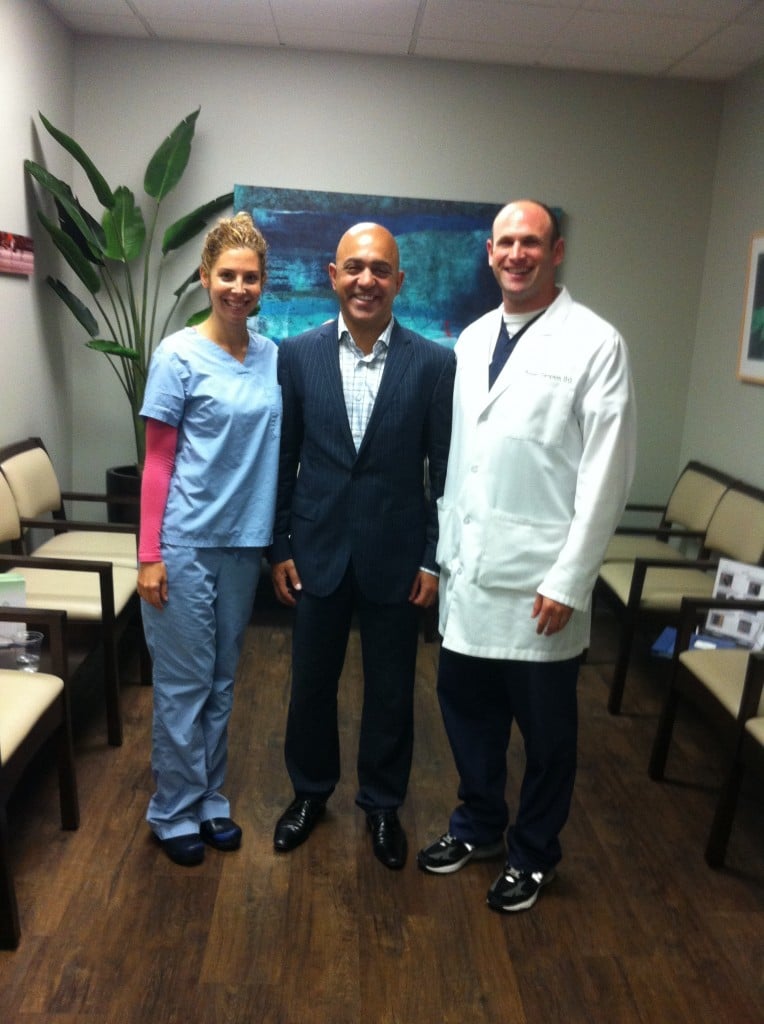
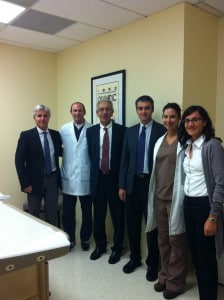
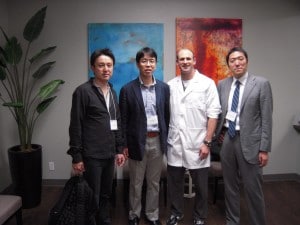
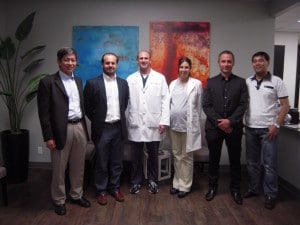
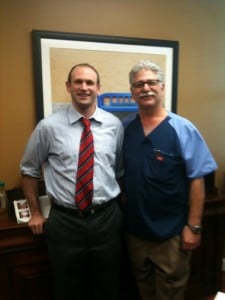
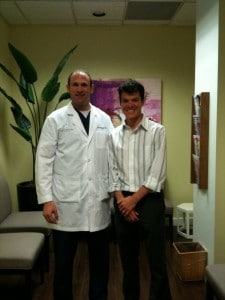
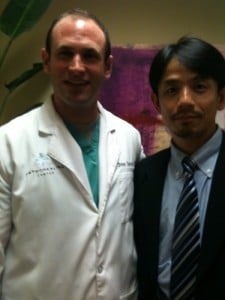
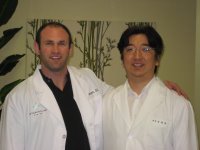
Mitchell Sheinkop, Orthopedic Surgeon, Professor RUSH University, visits Dr Steven Sampson, Orthohealing Center to collaborate in Clincial Research on Bone Marrow Concentration BMC, PRP Platelet Rich Plasma and regenerative medicine

Tuesday, November 20th, 2012 by Steven Sampson D.O.

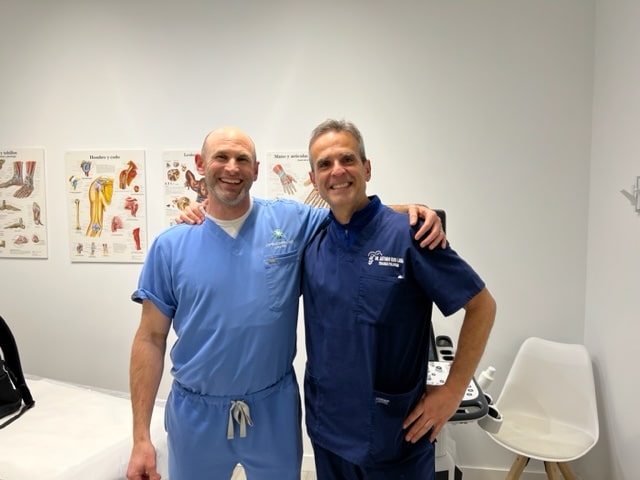
 Mitchell Sheinkop, Orthopedic Surgeon, Professor RUSH University, visits Dr Steven Sampson, Orthohealing Center to collaborate in Clincial Research on Bone Marrow Concentration BMC, PRP Platelet Rich Plasma and regenerative medicineMitchell Sheinkop, M.D. is a board certified orthopedic surgeon and a leading authority on the treatment of patients with complex hip and knee disorders, and is well known for his pioneering use of computer-assisted navigation, minimally-invasive technologies and hip resurfacing techniques. He is a professor emeritus in the Department of Orthopedics at Rush University and an active lecturer and educator.

Dr Sheinkop is leading an IRB register clinical trial utilizing BMC Bone Marrow Concentrate for the treatment of hip and knee osteoarthritis.

We believe that treatments like BMC may fill the large void needed in younger active individuals that are not ready for total joint replacement. Following biologic therapies like PRP, the door has opened for more sophisticated cell based therapies offering hope to address this epidemic of increased osteoarthritis in our community.

At the Orthohealing Center of Los Angeles CA we are providing BMC Bone marrow concentration injections combines with PRP for more challenging cases of arthritis with very encouraging results, however more studies much like Dr Sheinkop’s work are needed.

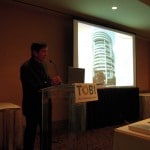
Our global TOBI The Orthobiologic Institute’s annual meeting this June 2013 will host leading pioneering physicians & researchers like Dr Sheinkop to further our field in regenerative medicine.

Dr Sheinkop has a terrific blog that we encourage our readers to follow: www.sheinkopmd.com/blog

His story is interesting after specializing in total joint replacements for decades, Mitchell is now pioneering work in the non-surgical realm.

avatar

Steven Sampson D.O.

Founder of the Orthohealing Center, Dr. Sampson is a recognized expert on orthobiologics and regenerative medicine. He lectures internationally and spearheads OHC’s clinical research efforts. Dr. Sampson is a Clinical Instructor of Medicine at The David Geffen School of Medicine at UCLA, and is a Clinical Assistant Professor of Physical Medicine & Rehabilitation, Western University of Health Sciences.

Regenerative Medicine (PRP, Bone Marrow, Shockwave therapy and Hyaluronic Acid Injections) Symposium Featuring TOBI (The Orthobiologic Institute) Faculty in Campinas Brazil October 2012

Wednesday, August 29th, 2012 by Steven Sampson D.O.

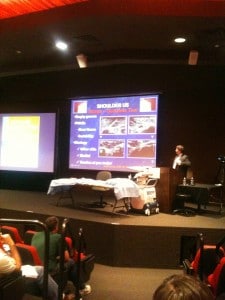
 Regenerative Medicine (PRP, Bone Marrow, Shockwave therapy and Hyaluronic Acid Injections) Symposium Featuring TOBI (The Orthobiologic Institute) Faculty in Campinas Brazil October 2012We are excited to announce that recent Los Angeles faculty Dr Adam Weglein & Dr Jose Fabio Lana will be amongst several speakers at the International Symposium on Regenerative Medicine Oct 26-27, 2012.  ortopediaregenerativa.com.br

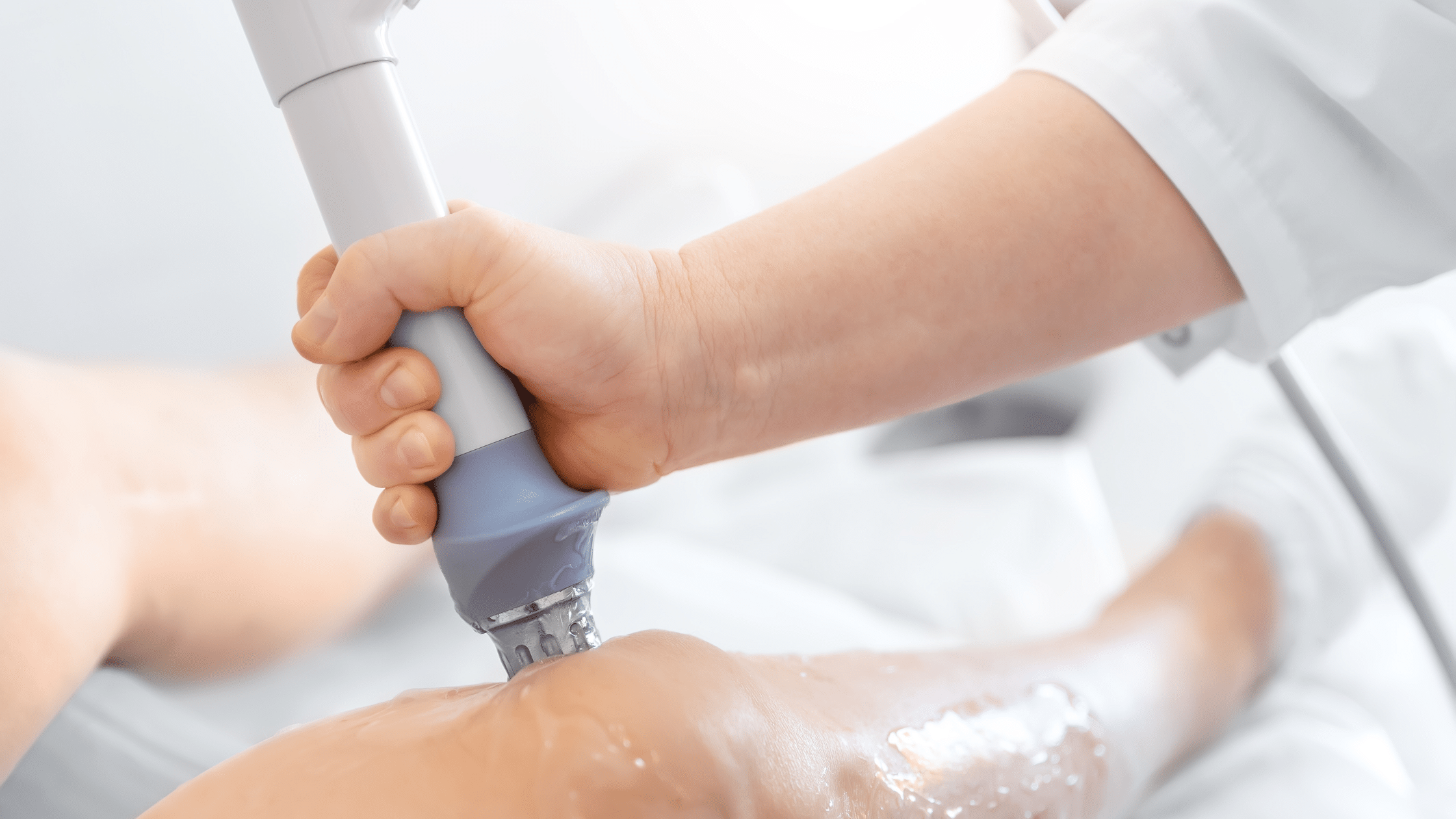
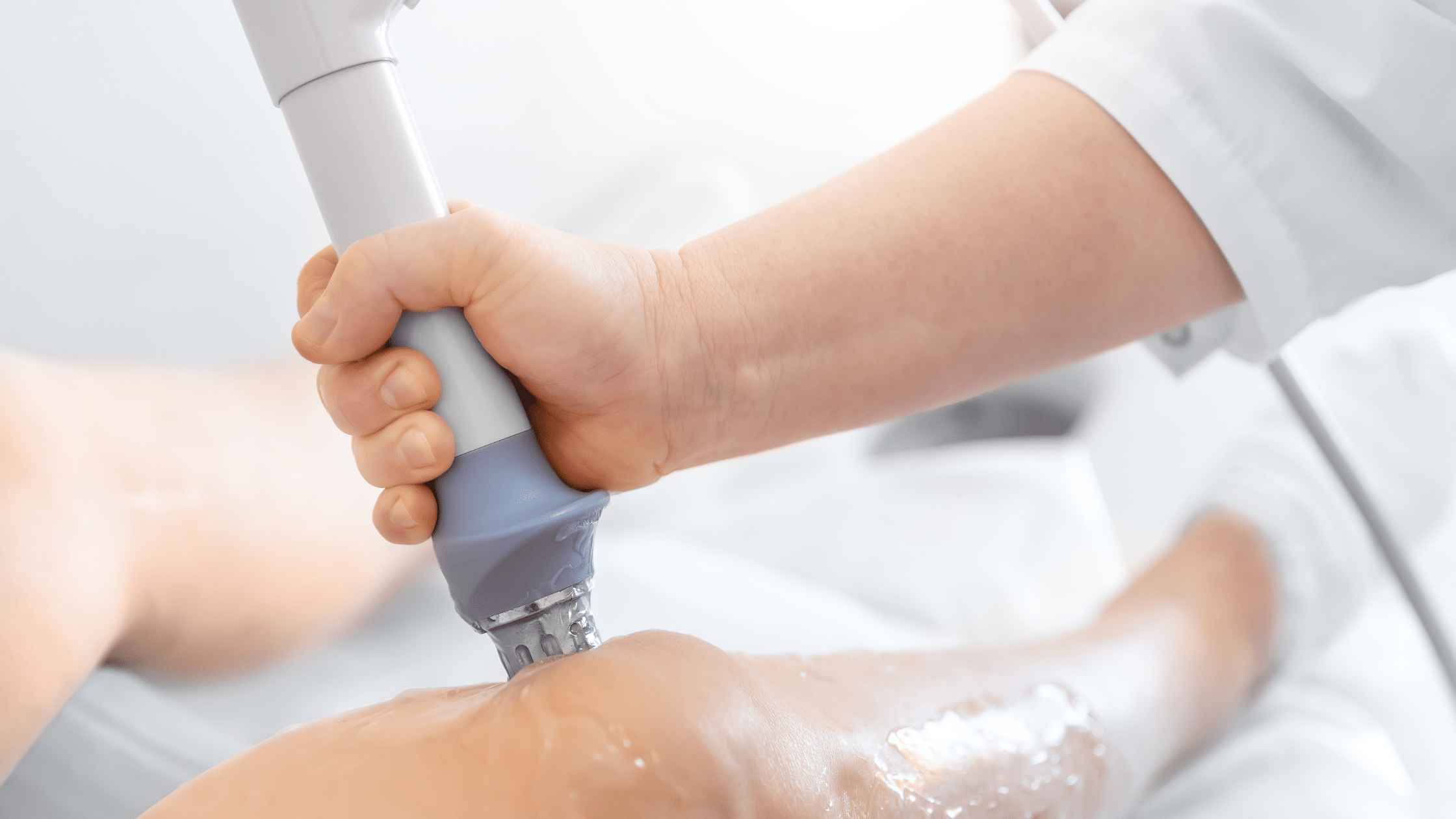
Events such as this add to our understanding of new treatments like PRP Platelet Rich Plasma, Bone Marrow Concentrate Injections, Shockwave Therapy, Hyaluronic Acid injections and more. A global community is forming & these symposiums serve as a forum to foster new research ideas & international collaborations.

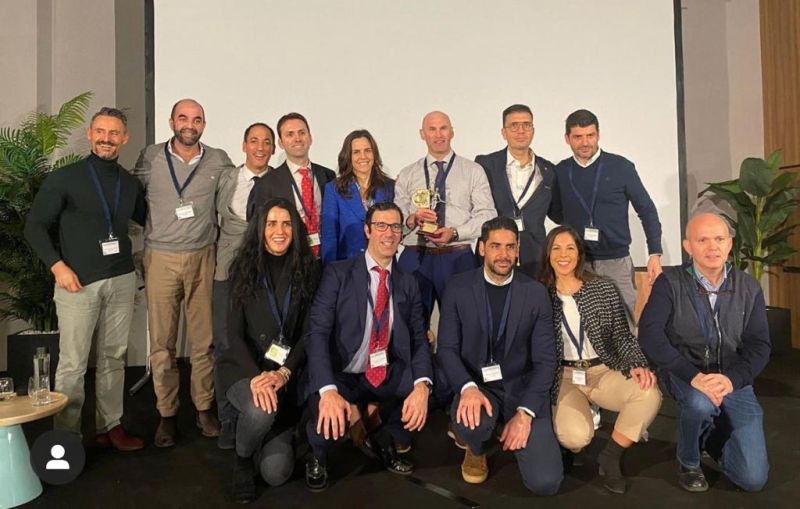
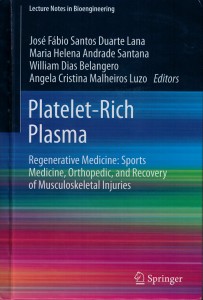
Stay tuned  for further details about our 4th annual PRP & Regenerative Medicine Symposium & Cadaver Lab in Los Angeles, May/June 2013.www.prpseminar.com Dr Fabio Lana also has authored a textbook covering orthopedic regenerative medicine featuring Dr Steven Sampson & Dr Danielle Aufiero of the Orthohealing which is the first of it’ s kind due out soon.

Dr Jose Regenerative Medicine (PRP, Bone Marrow, Shockwave therapy and Hyaluronic Acid Injections) Symposium Featuring TOBI (The Orthobiologic Institute) Faculty in Campinas Brazil October 2012

avatar

Steven Sampson D.O.

Founder of the Orthohealing Center, Dr. Sampson is a recognized expert on orthobiologics and regenerative medicine. He lectures internationally and spearheads OHC’s clinical research efforts. Dr. Sampson is a Clinical Instructor of Medicine at The David Geffen School of Medicine at UCLA, and is a Clinical Assistant Professor of Physical Medicine & Rehabilitation, Western University of Health Sciences.

Orthopedic Doctors in Canada Researching Stem Cells as a Possible Treatment for Arthritis with Hopes of Replacing Knee and Hip Implants

Thursday, August 23rd, 2012 by Beny Charchian, M.D., M.S.

CTVNews Orthopedic Doctors in Canada Researching Stem Cells as a Possible Treatment for Arthritis with Hopes of Replacing Knee and Hip ImplantsA research team based out of Toronto hopes to minimize the number of patients needing hip and knee replacements in the future. CTV news feautered Dr. Nizar Mahomed, an orthopedic surgeon at Toronto’s Western Hospital, who reports his team has been one of the first of its kind to actually grow human cartilage in a laboratory using stem cells. The team is now embarking on the next stage of the study, which will see the new tissue used in animals.

The number of individuals suffering from osteoarthritis grows exponentially every year as people now live longer than ever and the incidence of arthritis increases with age. This, coupled with increasing obesity and other factors has caused osteoarthritis to become a worldwide epidemic. This team of researchers as well many others all over the world are hoping to use stem cells to treat the deterioration of cartilage in joints. “Although hip and knee replacements are a great operation….they don’t last forever and they bring risks and limitations” said Dr. Mohamed. He hopes within 5 to 10 years the new technology can be used in human patients while putting an end to joint replacement surgeries. “We’re working to put ourselves out of business,” he joked.

We’re excited to see the continued advancement of regenerative techniques being used in what was once thought to be treatable only with surgery. In addition to platelet rich plasma (PRP), the doctors of the Orthohealing Center are proud to offer Bone Marrow Concentrate Regenerative injections for advanced cases of osteoarthritis when other treatment options such as cortisone or viscosupplement injections (Synvisc, Euflexxa, Orthovisc, and Supartz) have failed.

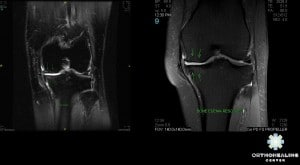
Gonarthritis4 Orthopedic Doctors in Canada Researching Stem Cells as a Possible Treatment for Arthritis with Hopes of Replacing Knee and Hip Implants

avatar

Beny Charchian, M.D., M.S.

Dr. Charchian specializes in Interventional Pain Management integrating Fluoroscopy (live X-Ray), in addition to treating an array of spine and joint disorders non-surgically. He has extensive training in electrodiagnostic studies to evaluate nerve injuries. He completed a Pain Medicine Fellowship at UCLA and is currently a Clinical Instructor of Medicine at The David Geffen School of Medicine at UCLA as well as a Clinical Assistant Professor of Physical Medicine & Rehabilitation, Western University of Health Sciences.

Duke University Research Reveals Regenerative Cells May Help Prevent Post-Injury Arthritis

Monday, August 13th, 2012 by Beny Charchian, M.D., M.S.

New and exciting research out of the Duke University Health System has found promise in using regenerative cell therapy for preventing osteoarthritis after a joint injury. Doctors have known for years that injuring a joint greatly increases the chance of developing a form of osteoarthritis known as post-traumatic arthritis, or “PTA”. Until recently, there were no known treatments that modified or slowed the progression of this type of arthritis.

The researchers found that using a specific type of regenerative cell, called a mesenchymal stem cell (MSC), delayed the development of post-traumatic arthritis in mice with fractures. The scientists hypothesized that these regenerative cells would work to prevent PTA by altering the balance of inflammation and regeneration in knee joints, partly because these cells have known beneficial properties in other regions of the body.

These new findings support previous scientific articles that have found this type of therapy to be beneficial in the treatment of arthritis and cartilage defects in other animal models. While more research is needed to determine the efficacy of this treatment in human subjects, it opens the door even wider for the unlimited potential of regenerative medicine such as bone marrow concentrate and platelet rich plasma (PRP) in healing orthopedic injuries non-surgically!

csmcgpzd Duke University Research Reveals Regenerative Cells May Help Prevent Post Injury Arthritis

avatar

Beny Charchian, M.D., M.S.

Dr. Charchian specializes in Interventional Pain Management integrating Fluoroscopy (live X-Ray), in addition to treating an array of spine and joint disorders non-surgically. He has extensive training in electrodiagnostic studies to evaluate nerve injuries. He completed a Pain Medicine Fellowship at UCLA and is currently a Clinical Instructor of Medicine at The David Geffen School of Medicine at UCLA as well as a Clinical Assistant Professor of Physical Medicine & Rehabilitation, Western University of Health Sciences.

Regenerative Medicine & Musculoskeletal Ultrasound use exploding worldwide

Friday, April 20th, 2012 by Steven Sampson D.O.

destiantion1 300x196 Regenerative Medicine & Musculoskeletal Ultrasound use exploding worldwideeuroson Regenerative Medicine & Musculoskeletal Ultrasound use exploding worldwideOn April 22-24 world leaders in Biologic & Regenerative Medicine will gather in Madrid to present the latest research at the Euroson 2012 at the Palacio Municipal de Congresos.

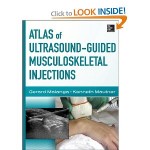
We will be hosting our 3rd annual PRP/Bone Marrow MSK Ultrasound Regenerative Medicine Symposium in Los Angeles July13-15. www.prpseminar.comMore & more symposiums of this nature are emerging to address the growing community in regenerative medicine incorporating the latest cutting edge technologies.

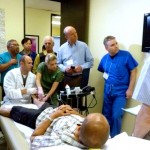
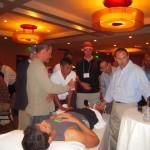
This year will feature 8 breakout ultrasound hands on workstations with advanced topics along with a cadaver lab. Meetings like this bring together enthusiastic minds to drive change in a field that needs to address the growing need for conservative treatment options for Osteoarthritis & tendon injuries.

avatar

Steven Sampson D.O.

Founder of the Orthohealing Center, Dr. Sampson is a recognized expert on orthobiologics and regenerative medicine. He lectures internationally and spearheads OHC’s clinical research efforts. Dr. Sampson is a Clinical Instructor of Medicine at The David Geffen School of Medicine at UCLA, and is a Clinical Assistant Professor of Physical Medicine & Rehabilitation, Western University of Health Sciences.

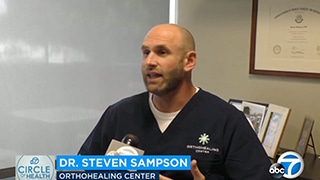
Dr Steven Sampson (Orthohealing Center) interviewed on PRP platelet rich plasma, Bone Marrow, & Regenokine, Kobe Bryant, Regenerative Medicine on ESPN & Grantland.com

Friday, April 13th, 2012 by Steven Sampson D.O.

Read more on the exploding field of biologics in sports medicine. Treatments initially aimed at getting pro athletes back on the court sooner & being used on our weekend warriors to help with pain & return to activity.

Kobe1 300x168 Dr Steven Sampson (Orthohealing Center) interviewed on PRP platelet rich plasma, Bone Marrow,  & Regenokine, Kobe Bryant, Regenerative Medicine on ESPN & Grantland.comortho2 300x168 Dr Steven Sampson (Orthohealing Center) interviewed on PRP platelet rich plasma, Bone Marrow,  & Regenokine, Kobe Bryant, Regenerative Medicine on ESPN & Grantland.com

avatar

Steven Sampson D.O.

Founder of the Orthohealing Center, Dr. Sampson is a recognized expert on orthobiologics and regenerative medicine. He lectures internationally and spearheads OHC’s clinical research efforts. Dr. Sampson is a Clinical Instructor of Medicine at The David Geffen School of Medicine at UCLA, and is a Clinical Assistant Professor of Physical Medicine & Rehabilitation, Western University of Health Sciences.

Utilizing our own body’s regenerative cells to heal is less controversial and likely more effective than embryonic cells experts say…

Monday, February 6th, 2012 by Steven Sampson D.O.

ortho2 Utilizing our own body’s regenerative cells to heal is less controversial and likely more effective than embryonic cells experts say...About 15 years ago you might remember a storm around the idea of embryonic stem cells and the presidential election. During the debates, there lacked a distinction between utilizing our own body’s regenerative cells (Autologous Stem cells) Vs those from a fetus (Embryonic Stem cells) . This association is still a problem and many people don’t understand that there is a difference between embryonic stem cell research and Adult autologous stem cell research in general. In a recent article in the Journal of Translational Medicine, by Thomas Ichim of MediStem Inc., Neil H. Riordan of the Aiden Foundation and David F. Stroncek of The National Institute of Health’s Department of Transfusion Medicine, spoke to this misconception and the alternative found in adult stem cell research and therapy.

The interest in the field of embryonic research and therapy is fading. Embryonic stem cells have been found to have far less potential uses than originally anticipated. The alternative to embryonic stem cell research and therapy, which few people are aware of, is adult stem cell research. When the body experiences trauma like a stroke or a heart attack it draws on it’s own stem cells (adult stem cells) to repair the damage. Adult stem cell researchers at Mesoblast have released results that showed benefits of a clinical study showing the double-blind results of adult stem cells introduced to heart failure patients. Another argument for the use of adult stem cells over embryonic stem cells is that while embryonic stem cell research and therapy is costly and time consuming, adult stem cell usage is far more affordable and far more promising with less potential for adverse reactions.

Every month numerous studies are emerging in new applications of adult stem cells for difficult diseases. Most of all current research is focused on utilizing our own adult cells to stimulate healing vs embryonic. It is important to stay on top of the current opinion regarding regenerative medicine & this article provides some insight that we may more likely see implication of adult stem cells vs embryonic derived cells in the near future.

ortho1 300x200 Utilizing our own body’s regenerative cells to heal is less controversial and likely more effective than embryonic cells experts say...

However it’s important that this industry is monitored and regulated to insure safety & proven efficacy. The problem is that the industries that typically funds most of the trials that lead to widespread acceptance are not involved in adult stem cells due to lack of financial gain. In general it costs $800million dollars & up to 15yrs to bring an idea from bench to bedside.  Only 1:10,000 products make it to market which is a costly endeavor.

Utilizing our own cells to heal  may provide a means to accelerate the arduous process. Many translational research facilities are emerging to address this growing need.  Currently, the burden is up to the clinician to document their work. Patients are driving this industry, seeking more solutions for their issue which are not improving with conservative care.

In the USA orthopedic doctors are utilizing adult regenerative cells from bone marrow (BMAC),  fat (adipose fat grafts). In Mexico they are enhancing stem cell circulation via an injection, then draw whole blood from the arm & re-inject it to stimulate healing. More literature will emerge regarding this promising but new therapy.


avatar

Steven Sampson D.O.

Founder of the Orthohealing Center, Dr. Sampson is a recognized expert on orthobiologics and regenerative medicine. He lectures internationally and spearheads OHC’s clinical research efforts. Dr. Sampson is a Clinical Instructor of Medicine at The David Geffen School of Medicine at UCLA, and is a Clinical Assistant Professor of Physical Medicine & Rehabilitation, Western University of Health Sciences.

New Study from Cedars-Sinai in Los Angeles Reveals Stem Cells Reverse Heart Damage

Friday, November 18th, 2011 by Beny Charchian, M.D., M.S.

CNN recently reported on a new story out of Cedars-Sinai and the University of Louisville’s Jewish Hospital that focused on a study by Dr. Robert Bolli where  16 patients with heart failure received stem cell therapy.  Within just one year, the heart function of the patients in the study markedly improved.  While the researchers expected a positive outcome, “We were surprised by the magnitude of improvement … we would possibly be curing heart failure. It would be a revolution …” said Dr. Bolli who leads a group of researchers at the University of Louisville .   Perhaps even more important, no treated patient in either study suffered a significant health setback.

As is evidenced by this new study and many more like it in recent years, regenerative medicine holds tremendous promise not only for cardiology but for numerous realms in healthcare including orthopedics & sports medicine.  The Orthohealing Center and The Orthobiologic Institute continue to research the applications of regenerative medicine in non-surgical orthopedic care and hopes to see similar postive outcomes as those seen in this study in joints and in the spine.

While incredibly promising, larger trials are still needed to determine if these thheart2 300x168 New Study from Cedars Sinai in Los Angeles Reveals Stem Cells Reverse Heart Damageerapies are safe  and effective.   Dr. Bolli said he would have to temper his enthusiasm until he can duplicate the results in larger studies, definitive enough to get stem cell therapy approved as a standard treatment.  But, for many patients who have failed conservative and traditional treatments, regenerative medicine with stem cells and growth factors sheds new light on an otherwise dim outlook on the road to recovery…

avatar

Beny Charchian, M.D., M.S.

Dr. Charchian specializes in Interventional Pain Management integrating Fluoroscopy (live X-Ray), in addition to treating an array of spine and joint disorders non-surgically. He has extensive training in electrodiagnostic studies to evaluate nerve injuries. He completed a Pain Medicine Fellowship at UCLA and is currently a Clinical Instructor of Medicine at The David Geffen School of Medicine at UCLA as well as a Clinical Assistant Professor of Physical Medicine & Rehabilitation, Western University of Health Sciences.