








































































































































Posts Tagged ‘platelet rich plasma’

New study Demonstrates Platelet-Rich Plasma (PRP) May Help Treat a Particular Type of Hair Loss, Alopecia Areata

Friday, May 17th, 2013 by Steven Sampson D.O.

alopecia areata 200x300 New study Demonstrates Platelet Rich Plasma (PRP) May Help Treat a Particular Type of Hair Loss, Alopecia AreataAlopecia Areata (AA) is an auto-immune condition in which the body’s immune system, whose normal function is to fight infection and disease, attacks itself inappropriately. In AA, the result of this auto-immune activity is inflammation that leads to hair loss. Unfortunately, AA currently has very few treatment options. Platelet-rich plasma (PRP) has been established as a safe and cost-effective source of growth factors that stimulate cells to repair tissue. A study was recently conducted to evaluate whether PRP could potentially be used to treat AA. Forty-five patients received one of three different treatments – either PRP, an anti-inflammatory steroid, or nothing at all to serve as a placebo. On the other half of their heads they received no treatment whatsoever. Each patient received a total of three treatments one month apart from each other. Results showed that PRP was found to significantly increase hair regrowth and decrease hair loss along with burning/itching sensation when compared with steroid  or placebo. No side effects were noted during treatment. This pilot study suggests that PRP may serve as a safe and effective treatment option for AA. The Orthohealing Center is constantly involved in new research to develop state-of-the-art techniques for treating patients with a variety of health issues, including PRP for joint and tendon and spine injuries. PRP has implications for many conditions to potentially regulate inflammation and stimulate healing.

avatar

Steven Sampson D.O.

Founder of the Orthohealing Center, Dr. Sampson is a recognized expert on orthobiologics and regenerative medicine. He lectures internationally and spearheads OHC’s clinical research efforts. Dr. Sampson is a Clinical Instructor of Medicine at The David Geffen School of Medicine at UCLA, and is a Clinical Assistant Professor of Physical Medicine & Rehabilitation, Western University of Health Sciences.

Bone Marrow Concentrate (BMC) plus Platelet Rich Plasma (PRP) Helps Treat Limb Wounds

Wednesday, May 8th, 2013 by Steven Sampson D.O.

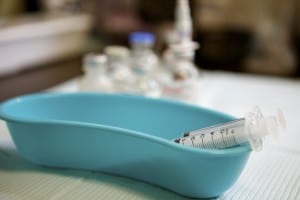
images mesoblast needle still 300x225 Bone Marrow Concentrate (BMC) plus Platelet Rich Plasma (PRP) Helps Treat Limb WoundsPlatelet-rich plasma (PRP) is a safe and cost-effective source of growth factors that stimulate cells to repair tissue. Bone marrow cells may be effective in management of chronic skin ulcers. Combining these two properties, a research group set out to determine the impact of PRP derived from two sources in the body, peripheral blood (pb-PRP) versus bone marrow (bm-PRP), in treating wounds on ischemic limbs. Wounds on ischemic limbs are notorious for healing poorly because they lack adequate blood flow. In addition, it is estimated that the number of chronic wounds on ischemic limbs will multiply due to increased amounts of peripheral arterial diseases worldwide. The study showed that bm-PRP cells injected into wounds remained at the injury site 4 weeks compared to just 2 weeks for pb-PRP, and that wounds injected with bm-PRP showed a significantly smaller skin defect area compared to pb-PRP at all time periods measured during healing. In conclusion, wound healing on ischemic limbs was accelerated with bm-PRP, but pb-PRP was no better than placebo saline. The Orthohealing Center is pioneering the use of bone marrow blood with PRP as a non-surgical treatment option for orthopedic injuries throughout the body including tendon and joint pain.

avatar

Steven Sampson D.O.

Founder of the Orthohealing Center, Dr. Sampson is a recognized expert on orthobiologics and regenerative medicine. He lectures internationally and spearheads OHC’s clinical research efforts. Dr. Sampson is a Clinical Instructor of Medicine at The David Geffen School of Medicine at UCLA, and is a Clinical Assistant Professor of Physical Medicine & Rehabilitation, Western University of Health Sciences.

Adult Stem Cells and Hyaluronic Acid for Knee Cartilage Repair

Friday, April 26th, 2013 by Steven Sampson D.O.

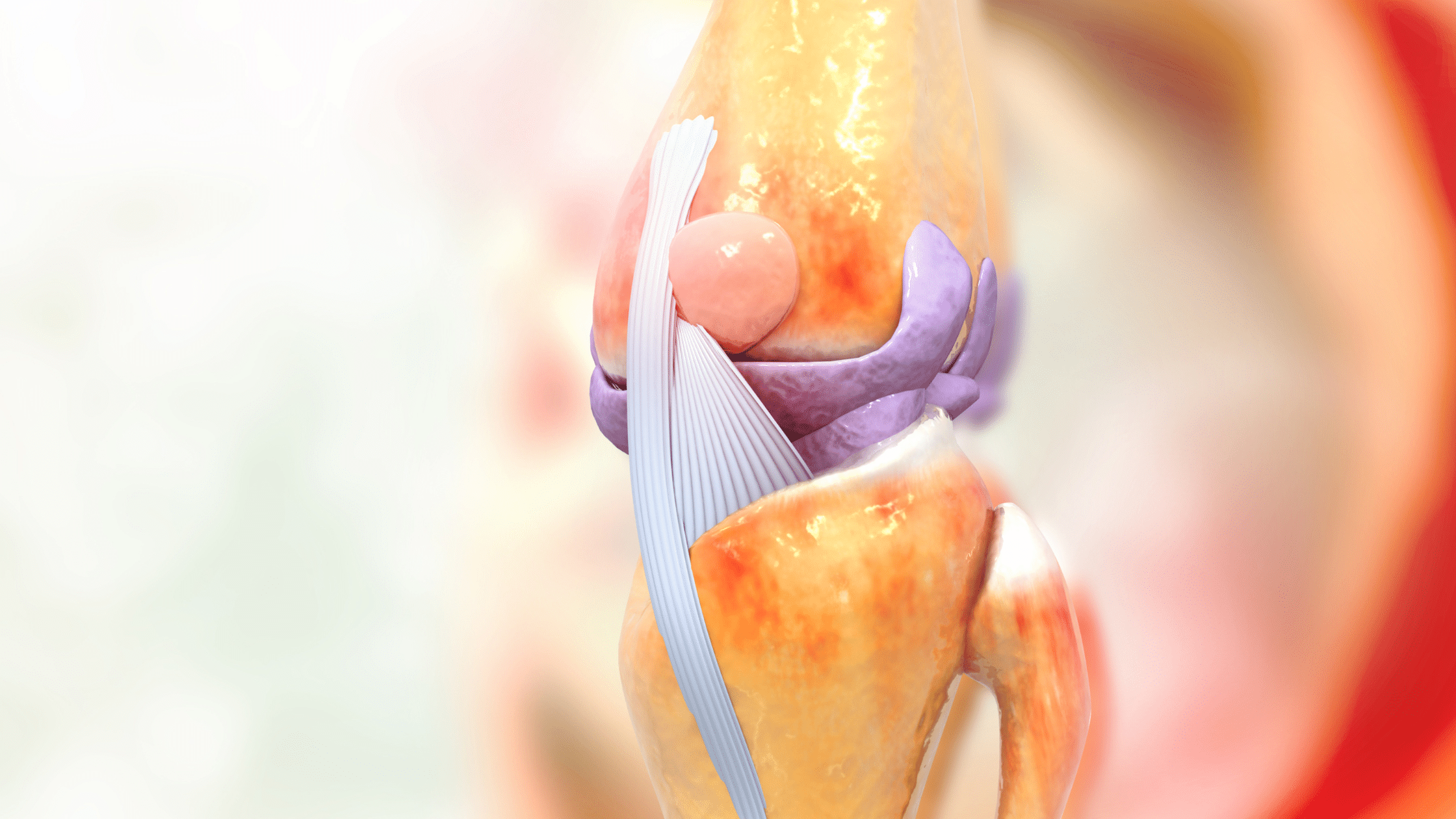
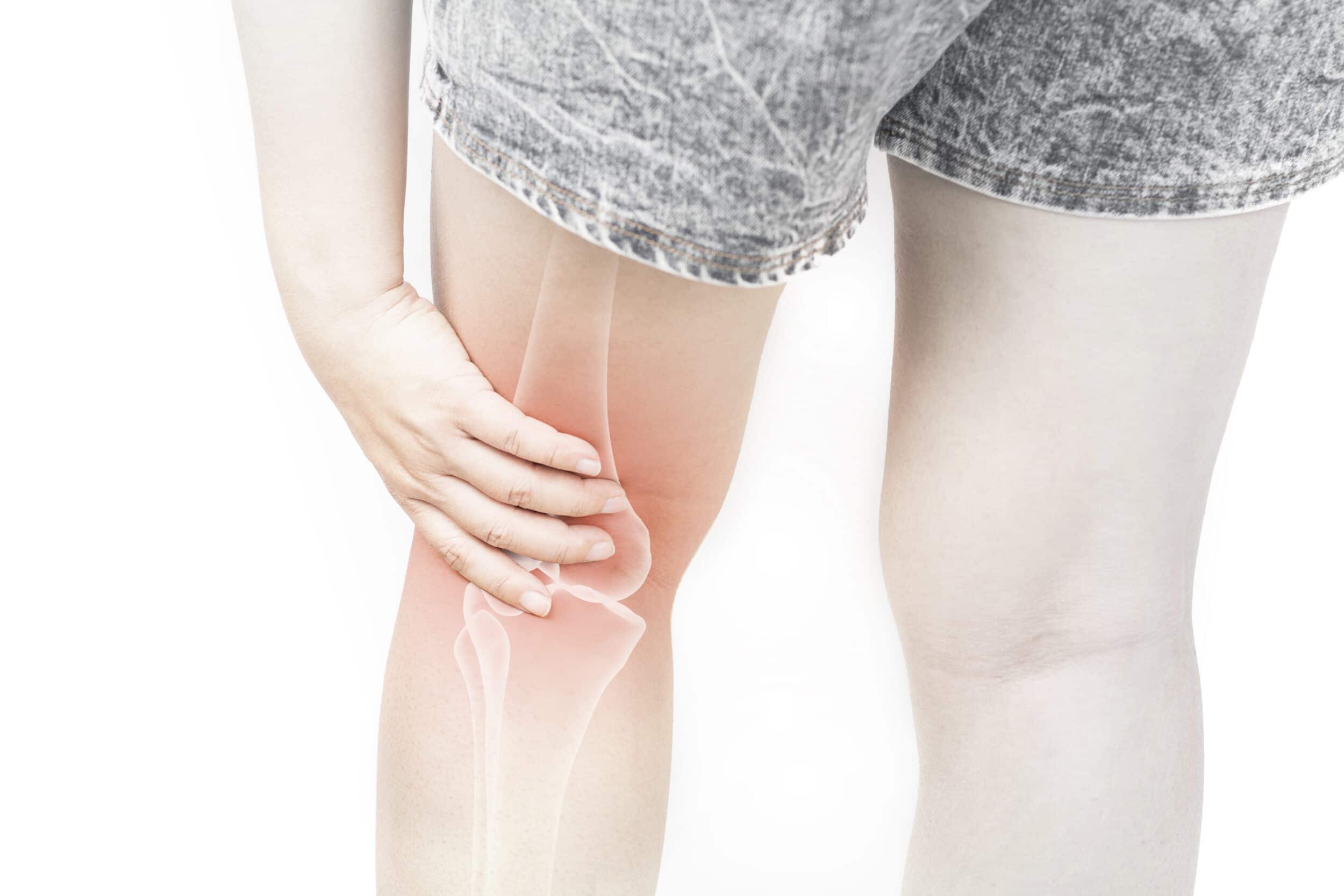
localized cartilage damage Adult Stem Cells and Hyaluronic Acid for Knee Cartilage RepairA new study is investigating using hyaluronic acid (HA) and adult stem cells from umbilical cord donors as an adjunct to microfracture surgery, an articular cartilage surgical technique. This team has started their research by enrolling their first patient, who has localized cartilage defect of the knee, to evaluate the safety and effectiveness of using HA and stem cells together. The researchers are looking to enroll more subjects, but the number of patients with isolated cartilage defects is limited. At the Orthohealing Center we are performing Hyaluronciu Acid Injections as well as platelet rich plasma and same day adult bone marrow concentrate injections with encouraging results, although more trials are needed.

avatar

Steven Sampson D.O.

Founder of the Orthohealing Center, Dr. Sampson is a recognized expert on orthobiologics and regenerative medicine. He lectures internationally and spearheads OHC’s clinical research efforts. Dr. Sampson is a Clinical Instructor of Medicine at The David Geffen School of Medicine at UCLA, and is a Clinical Assistant Professor of Physical Medicine & Rehabilitation, Western University of Health Sciences.

Clinical J Sport Med: Does PRP results in MRI changes in cartilage following injection? Results from 1 year follow-up, Hospital for Special Surgery (HSS)

Monday, January 21st, 2013 by Steven Sampson D.O.

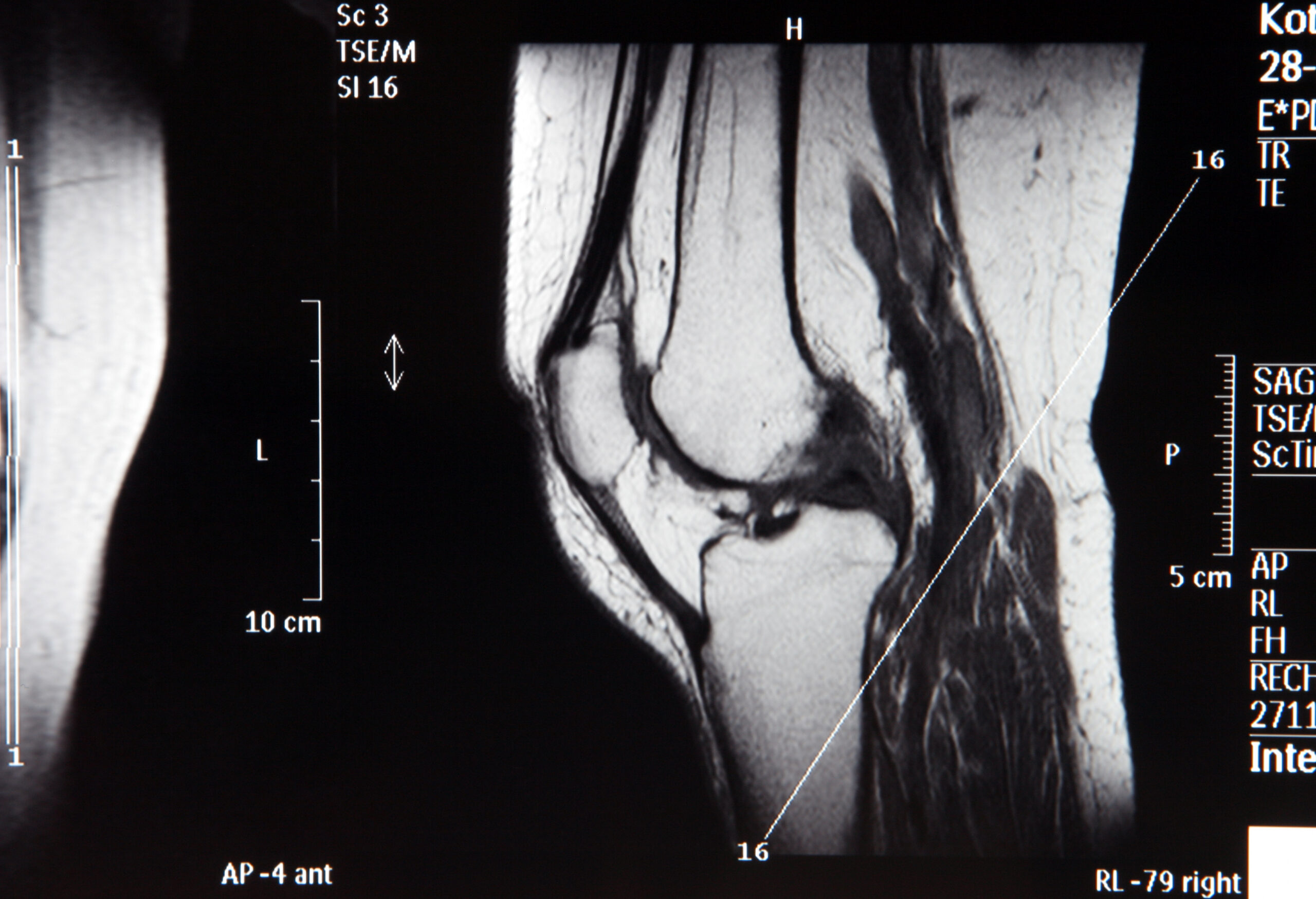
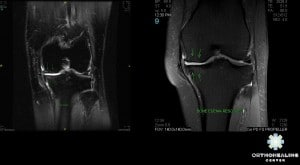
knee cartilage Clinical J Sport Med: Does PRP results in MRI changes in cartilage following injection? Results from 1 year follow up, Hospital for Special Surgery (HSS)In a recent study, platelet-rich plasma was used in treating early knee osteoarthritis and the results were determined based on positive clinical results and a change in MRI (magnetic resonance imaging) structural outlook. Twenty-two patients between the ages of 30 – 70 years received an MRI prior to the therapy to determine their baseline.  Each patient then underwent a PRP injection. Fifteen of these patients were followed-up at 1 week, and 1, 3, 6, and 12 months, and finally received an MRI at 1 year. Clinical outcomes were great as patients reported significant decrease in pain and improved functional capacity. However, based on the MRI results no changes were noted in at least 73% cases at 1 year. Therefore, more advanced imaging to access cartilage is needed to keep up with the advancements in cell-based therapy. Cartilage software & mapping are promising ways to better evaluate cartilage status. For now, PRP has been shown to be safe and effective for knee osteoarthritis by improving function, however its ability to regenerate cartilage is debatable currently. More powerful treatments like Bone Marrow Concentration (BMC) may provide greater potential to regenerate based on its rich regenerative cells and proteins.

avatar

Steven Sampson D.O.

Founder of the Orthohealing Center, Dr. Sampson is a recognized expert on orthobiologics and regenerative medicine. He lectures internationally and spearheads OHC’s clinical research efforts. Dr. Sampson is a Clinical Instructor of Medicine at The David Geffen School of Medicine at UCLA, and is a Clinical Assistant Professor of Physical Medicine & Rehabilitation, Western University of Health Sciences.

New study shows that Platelet Rich Plasma (PRP) reverses tendon cell damage when combined with steroid injection.

Thursday, January 17th, 2013 by Steven Sampson D.O.

In a new study from Japan ,  the standard cortisone used for shoulder rotator cuff injections triamcinolone acetonide (TA) caused damage to tendons after application.  Platelet rich plasma (PRP) was applied along with the steroid (TA) and it reversed the cellular damage to the rotator cuff tendon. The cortisone demonstrated negative effects on the tendon with cell death (apoptosis) lasting 3 weeks following administration. This suggests that repeated injections should wait at least 3 weeks, however in general we utilize cortisone shots sparingly to avoid cell death & more tearing. This evidence suggests that PRP could be potentially added when a cortisones shot is one of the only options to reduce pain. The combination of cortisone & PRP may be a strong anti-inflammatory  agent and adding the prp may further protect the tendon from damaging side effects of cortisone. More research is needed.

avatar

Steven Sampson D.O.

Founder of the Orthohealing Center, Dr. Sampson is a recognized expert on orthobiologics and regenerative medicine. He lectures internationally and spearheads OHC’s clinical research efforts. Dr. Sampson is a Clinical Instructor of Medicine at The David Geffen School of Medicine at UCLA, and is a Clinical Assistant Professor of Physical Medicine & Rehabilitation, Western University of Health Sciences.

Inflammation blood test links to muscle weakness in knee osteoarthritis new study suggests.

Wednesday, January 16th, 2013 by Steven Sampson D.O.

Recent studies suggest that patients with larger muscles surrounding the knee equals less cartilage damage over 4 years & improved function. (link to prior blog post). Another new study found a correlation with a patient’s blood inflammation levels (CRP & ESR) and reduced muscle strength. Understanding patients baseline inflammation status may be key in understanding expectations of recovery. Dr Steven Sampson will be travelling to Salt Lake City Utah soon to attend a training seminar on bio-identical hormones. Anti-aging medicine is becoming increasingly popular. Balancing an individual’s inflammation state and underling hormone levels may correlate with better outcomes with regenerative injection therapies like PRP (platelet Rich Plasma)  & BMC (bone Marrow Concentration). Most likely prior to receiving any regenerative based injection therapy we may obtain a comprehensive metabolic workup to more comprehensively treat the patient and try & tip the scale towards healing.

avatar

Steven Sampson D.O.

Founder of the Orthohealing Center, Dr. Sampson is a recognized expert on orthobiologics and regenerative medicine. He lectures internationally and spearheads OHC’s clinical research efforts. Dr. Sampson is a Clinical Instructor of Medicine at The David Geffen School of Medicine at UCLA, and is a Clinical Assistant Professor of Physical Medicine & Rehabilitation, Western University of Health Sciences.

New study in American Journal of Sports Medicine shows Platelet Rich Plasma (PRP) blood injection superior to placebo for knee osteoarthritis treatment.

Tuesday, January 15th, 2013 by Steven Sampson D.O.

In a new study from the American Journal of Sports Medicine, researchers in India were able to show that when compared to a placebo control of saline (water), PRP patients had superior benefits. There was a mild deterioration of those improvements at 6 months. This level 1 randomized placebo controlled study showed that PRP injection for knee osteoarthritis is safe and effective. Of note, supporting prior studies and literature; patients with more mild degrees of cartilage damage fared better than those with advanced disease. This suggests that earl intervention is key in active individuals to keep tehm active whiel protecting the knee & avoiding potentially harmful treatments like cortisone injections. More powerful biologic treatments are emerging for more advanced cases of cartilage damage including Bone Marrow Concentrate (BMC)m, although more controlled trials are needed. Since our initial publication of PRP use in knee arthritis, many studies have shown that it has a strong safety profile & is helpful.

avatar

Steven Sampson D.O.

Founder of the Orthohealing Center, Dr. Sampson is a recognized expert on orthobiologics and regenerative medicine. He lectures internationally and spearheads OHC’s clinical research efforts. Dr. Sampson is a Clinical Instructor of Medicine at The David Geffen School of Medicine at UCLA, and is a Clinical Assistant Professor of Physical Medicine & Rehabilitation, Western University of Health Sciences.

American Journal of Sports Medicine: New Trial demonstrates efficacy of PRP Platelet Rich Plasma with more dramatic improvements in advanced osteoarthritis cases Vs Hyaluronic Acid injections.

Wednesday, November 14th, 2012 by Steven Sampson D.O.


journal logo 300x58 American Journal of Sports Medicine: New Trial demonstrates efficacy of PRP Platelet Rich Plasma with more dramatic improvements in advanced osteoarthritis cases Vs Hyaluronic Acid injections.In a new study, it is evident that Platelet-Rich Plasma is considerable superior to Hyaluronic Acid in treatment for gonarthrosis (arthritis of the knee). Patients that underwent PRP had decreased pain, stiffness and functional limitations such as walking, stair use, standing, and bending etc when compared to patients who were given HA therapy. This difference was even more significant in patients with grade III (severe) knee arthritis. In these patients HA therapy was not effective while PRP provided same positive results regardless of the severity. Patients reported drastic effect soon after receiving the fourth and final PRP injection and continued to show improvement up to 24 weeks.

avatar

Steven Sampson D.O.

Founder of the Orthohealing Center, Dr. Sampson is a recognized expert on orthobiologics and regenerative medicine. He lectures internationally and spearheads OHC’s clinical research efforts. Dr. Sampson is a Clinical Instructor of Medicine at The David Geffen School of Medicine at UCLA, and is a Clinical Assistant Professor of Physical Medicine & Rehabilitation, Western University of Health Sciences.

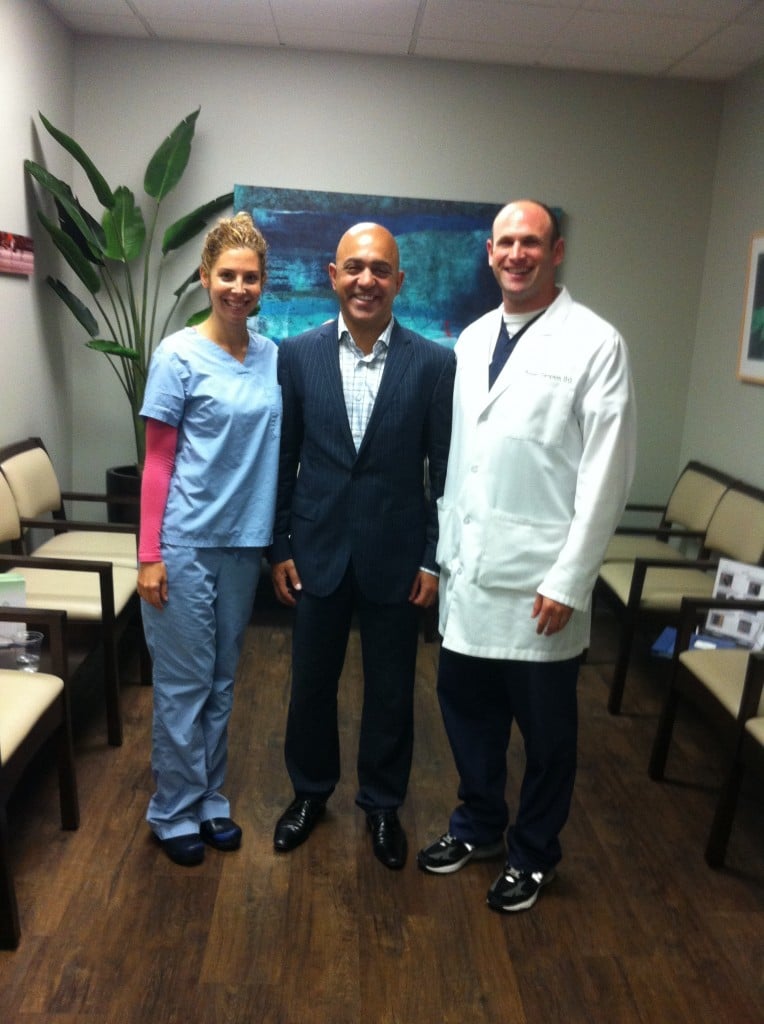
Dr Robert Simons from Perth Australia Visits Orthohealing Center to observe PRP Platelet Rich Plasma & Regenerative Injection Therapies.

Tuesday, October 23rd, 2012 by Steven Sampson D.O.

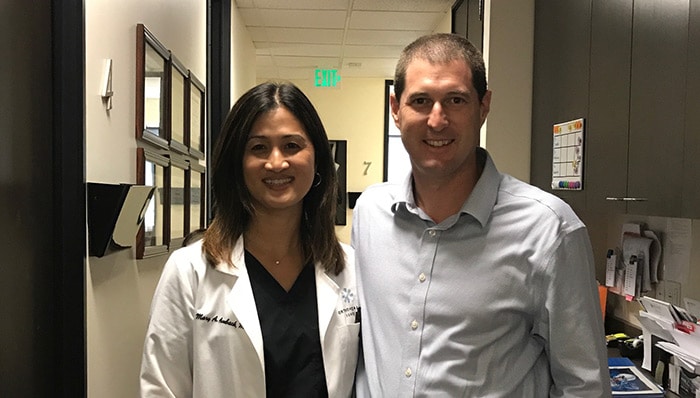
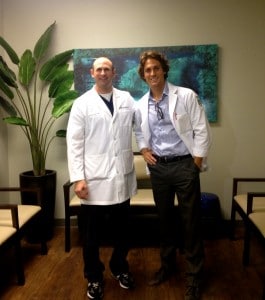
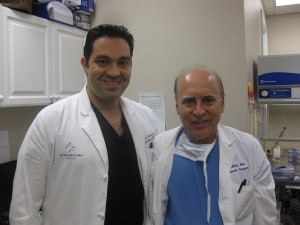
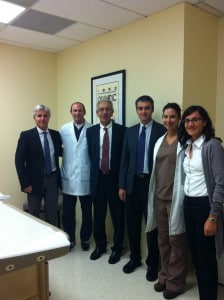
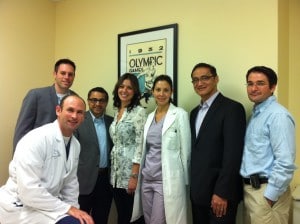
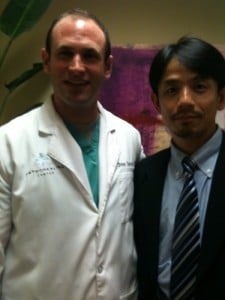
dr simon pic australia 224x300 Dr Robert Simons from Perth Australia Visits Orthohealing Center to observe PRP Platelet Rich Plasma & Regenerative Injection Therapies.We were thrilled to have Dr Robert Simons visit us recently. Dr Simons has been practicing non-surgical treatments prolotherapy for 12 years before progressing to the use of platelet rich plasma, Orthokine/Regenokine  and adipose derived stem cells as potent biological tools in assisting musclulo-skeletal repair and regeneration.

He has performed over 30 adipose derived regenerative cell procedures on patients with degenerative joint issues of the knees, hips, ankles, toes and spine with very encouraging results so far. We enjoy growing a worldwide collaborative effort to offer our patients the latest in clinical therapies & research.

A special thank you to our patients for allowing Dr Simons to observe.


avatar

Steven Sampson D.O.

Founder of the Orthohealing Center, Dr. Sampson is a recognized expert on orthobiologics and regenerative medicine. He lectures internationally and spearheads OHC’s clinical research efforts. Dr. Sampson is a Clinical Instructor of Medicine at The David Geffen School of Medicine at UCLA, and is a Clinical Assistant Professor of Physical Medicine & Rehabilitation, Western University of Health Sciences.

Brandon Roy Comes Out of Retirement to Join the Minnesota Timberwolves and Attributes his Comeback to Platelet Rich Plasma Injections for his Chronic Knee Pain

Thursday, October 11th, 2012 by Beny Charchian, M.D., M.S.

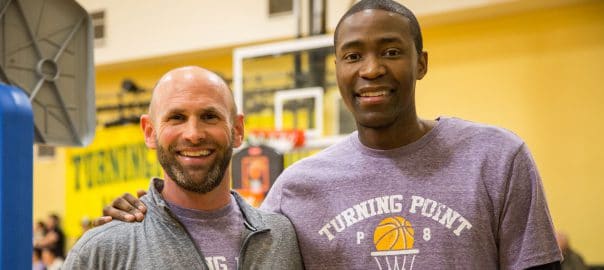
brandon roy timberwolves Brandon Roy Comes Out of Retirement to Join the Minnesota Timberwolves and Attributes his Comeback to Platelet Rich Plasma Injections for his Chronic Knee PainThis past Tuesday, October 2nd marked a milestone for Minnesota Timberwolves guard Brandon Roy. It was the first time the celebrated former All-Star participated in training camp practice in over two years. Debilitating knee pain due to severe arthritis had affected his performance, and when knee surgeries did not provide relief, he retired from the game. Six months after his retirement, he underwent platelet rich plasma injections which gave him enough relief to make a comeback that few had expected.

SI.com reports Roy stated ” ‘Wow, this can’t be real, my knees feel great,’ and that in the ensuing months without setbacks he learned to trust that this is more than a temporary rejuvenation.”

While similar blood-spinning procedures have been reported to provide significant relief for other professional athletes such as Kobe Bryant, Andrew Bynum, Alex Rodriguez, Tiger Woods, and Fred Couples, they have also been used on thousands of non-athletes including arthritic joints and non-healing tendon injuries in weekend warriors. The doctors of the Orthohealing Center are pioneers in regenerative procedures such as platelet rich plasma and are proud to offer this treatment for those who “want to get back into the game”.

avatar

Beny Charchian, M.D., M.S.

Dr. Charchian specializes in Interventional Pain Management integrating Fluoroscopy (live X-Ray), in addition to treating an array of spine and joint disorders non-surgically. He has extensive training in electrodiagnostic studies to evaluate nerve injuries. He completed a Pain Medicine Fellowship at UCLA and is currently a Clinical Instructor of Medicine at The David Geffen School of Medicine at UCLA as well as a Clinical Assistant Professor of Physical Medicine & Rehabilitation, Western University of Health Sciences.